EST3BAN ARELLANO
This experiment emerged from the second phase of my yearlong art residency at UCLA Film and Television Archive in 2024, where I was invited as the inaugural artist into the archive to learn about their rich work preserving moving image histories. I found myself immersed in a world of librarians, archivists, and preservation experts who have devoted their lives to preserving history. There was something deeply striking about encountering recorded histories of Los Angeles life on physical film — a format I have grown increasingly distant from in a totally digital world.
I was drawn most to the KTLA Newsfilm Collection featuring unaired footage from LA news coverage in the 70s-90s. In this footage, I was struck by the inclusion of different types of stories in the narrative fabric of Los Angeles. I was drawn to the way communities of color, working class communities, immigrants, and queer people were depicted on screen, the encounters they had with reporters, the way they were silenced, or not included at all. I used this material to create an interactive video installation that invites visitors into the guts of the television to see what is happening deep under the surface of the screen. I used noise systems, computer vision, and algorithmic processing to convert the archival images into a searchable database of vector embeddings—an ambivalent numeration that I suspected might unearth unseen connections across the nodes of the archive, uniting stories by the gesture of a subject, the tone of their voice, the words they use.
While learning about the history of my new home, I often felt alone in the solitary work of an archivist or artist. Since the inception of this residency, I have dreamt of ways to bring this archive into the communities that are preserved or erased from history. Furthermore, I wanted to find a way to marry this memory work with other forms of community building I participate in through the Los Angeles Tenants Union. My role as both artist and member in LATU has shown me how broader topics of displacement that have haunted LA communities have evolved over the decades between the archive and today. However, many of the same fights are still being fought: gentrification, real estate development, policing, immigration crackdowns, labor violations.
This event is the first in a new series rooted in communities across LA coming together to dream up how encountering the past through archives could become a portal to imagine new futures together. I was particularly struck by how segregated so much of the archive and the city is through geographies — stories of Black, Indigenous, and Latino LA were often divided by geography or identity despite depicting many of the same issues of communities working to survive in the face of systemic disinvestment. I hope to take this work on a tour across LA, connecting with local communities on the ground that are connected to the afterlives of the archive to create meaningful, site-specific conversations about how the past is preserved, what is preserved in an archive, what cannot be preserved—and how evoking these memories, feelings, and counter-histories could contribute to a counter broadcast, counter narrative, counter archive.
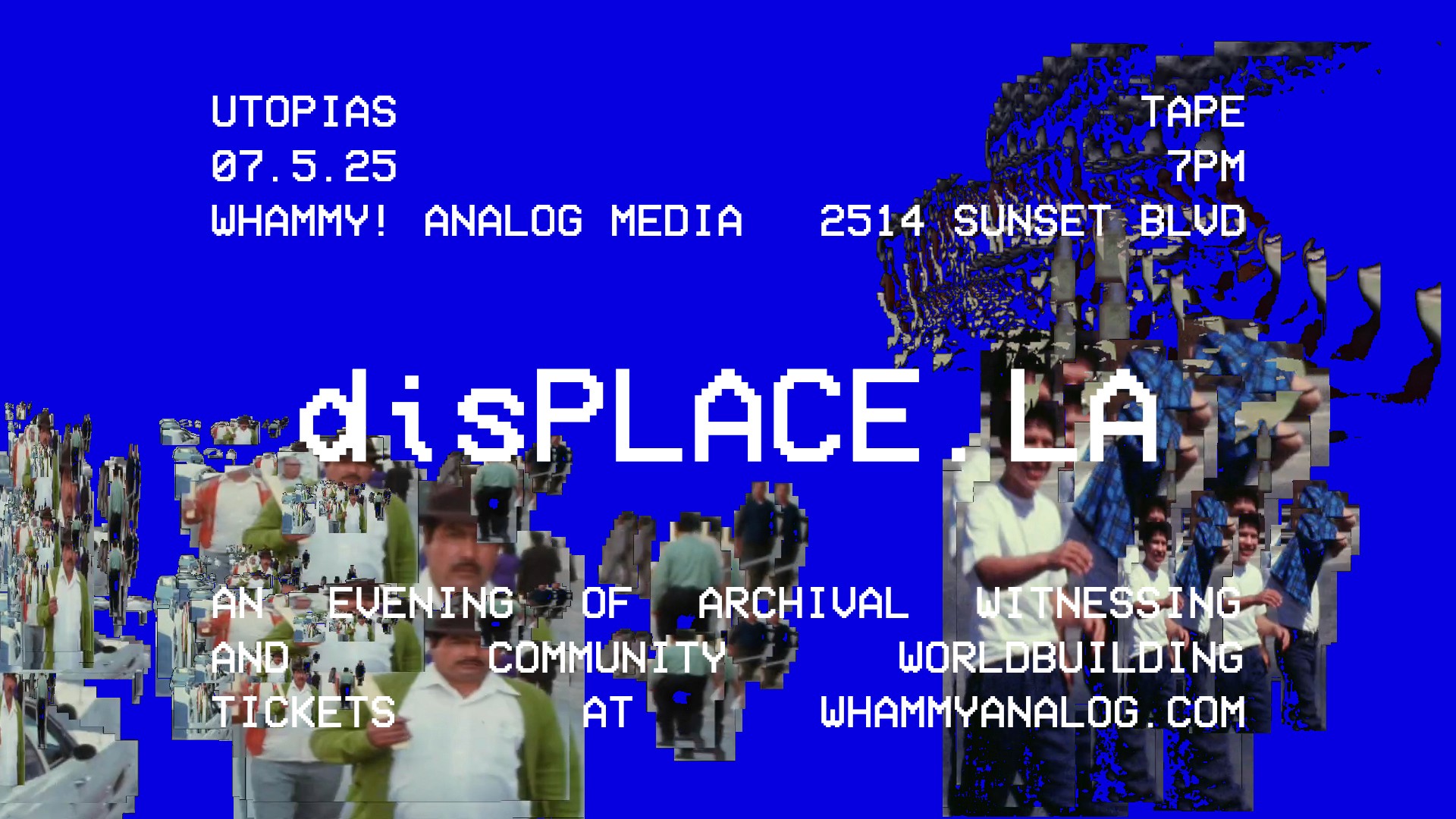
Research and Problem
How do we transform archives from sites of extraction into portals for community connection and resistance? During my residency, I witnessed the profound care that archivists bring to preserving histories, but I also experienced the isolation of engaging with community stories alone in a vault. This experiment sought to address the gap between archival preservation and community access — particularly when the archived communities are still fighting many of the same battles depicted in decades-old footage.
Hypothesis
Creating conditions for collective witnessing — combining individual viewing stations, embodied reflection prompts, and community discussion — would allow people to find themselves in archives that were never made for them, generating new forms of knowledge that connect historical struggles to present-day organizing. By centering both analytical and somatic responses, communities could reclaim these materials as tools for contemporary resistance rather than objects of distant study.
Experiment Design
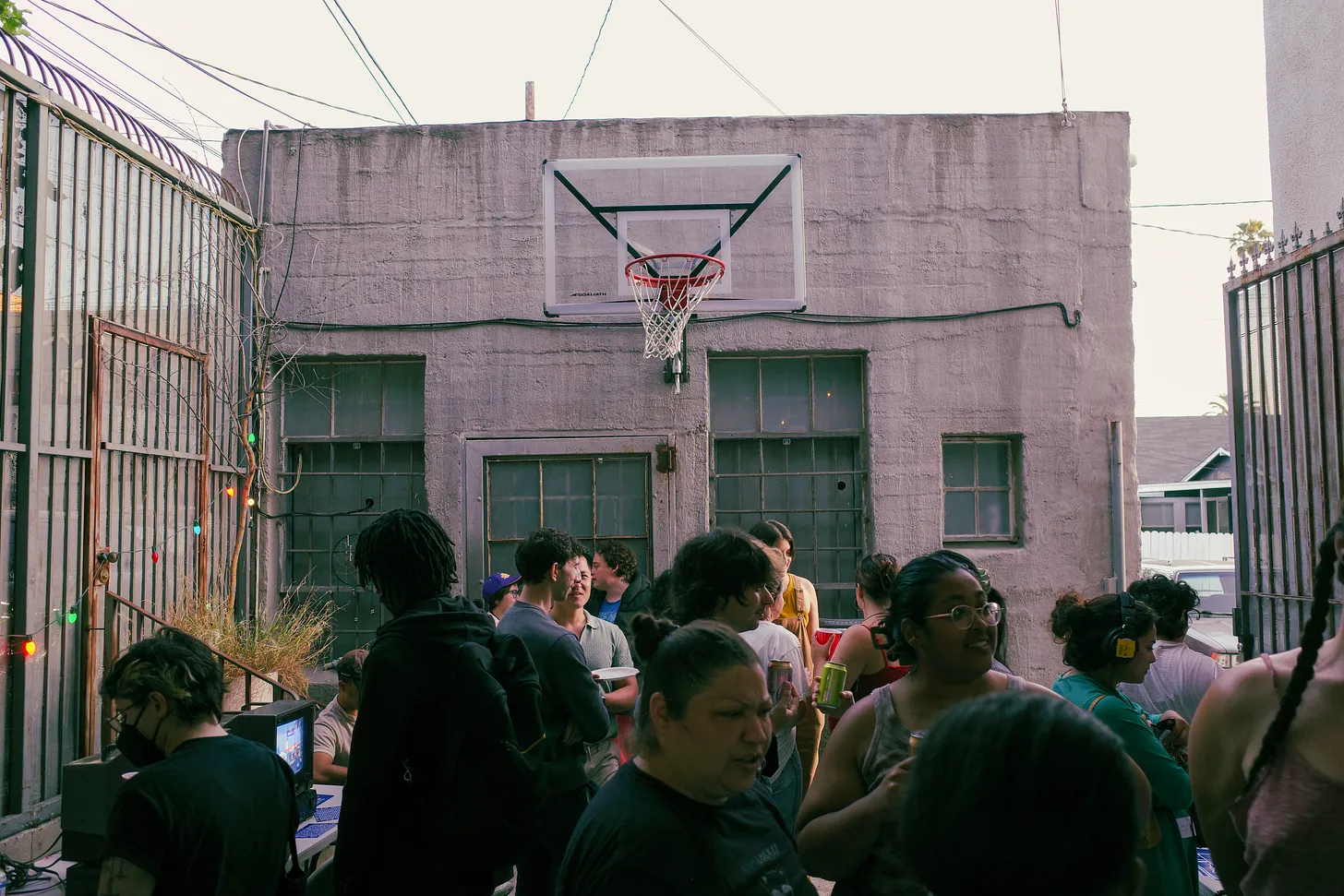
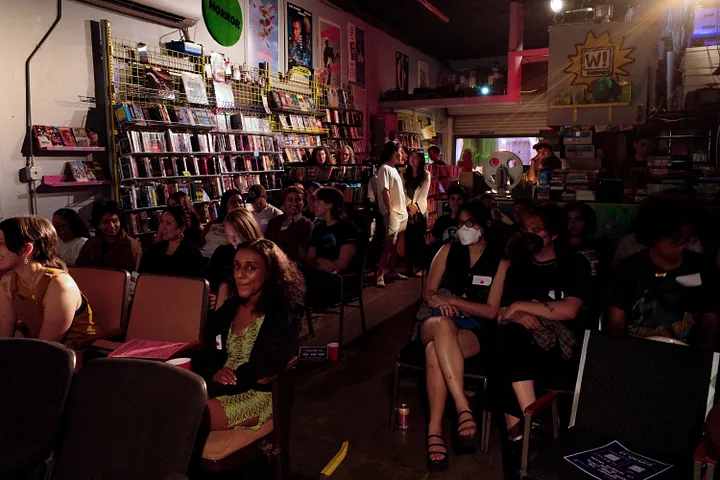
Setting: WHAMMY! Analog Media in Silver Lake, a venue that embodies the tensions of the neighborhood—a creative space in an area experiencing rapid gentrification.
Materials:
6-7 CRT viewing stations with archival KTLA newsreels from 1970s Los Angeles
Guided reflection prompts based on expanded Visual-Thinking Strategies
One 13-minute collective viewing: footage from efforts in East LA addressing crime among young Latino men
Fundraising component for LA Tenants Union Echo Park local
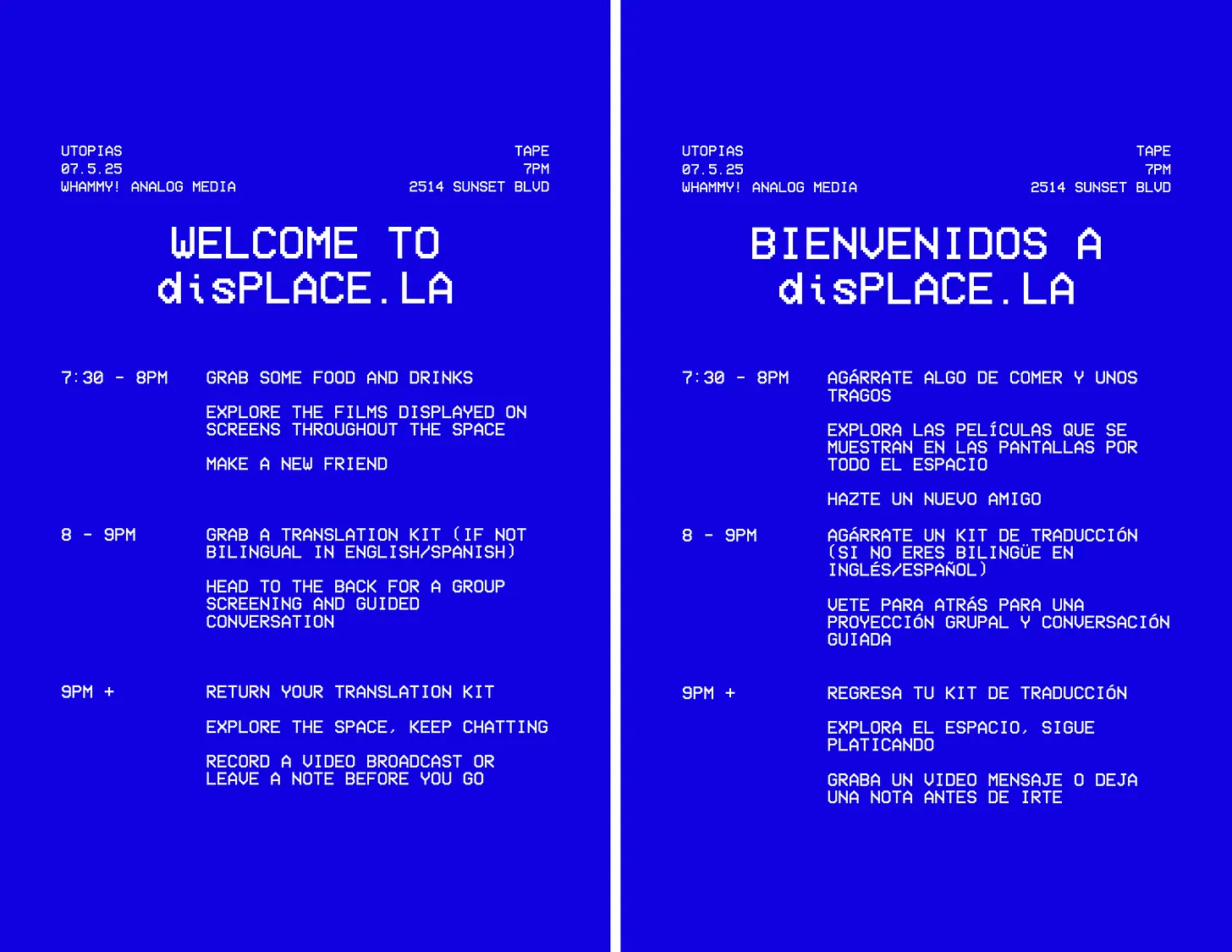
disPLACE.LA Event Itinerary (English and Español)
Process:
Individual/Small Group Viewing Phase - Participants moved freely between CRT stations, guided by questions that invited both analytical and embodied responses
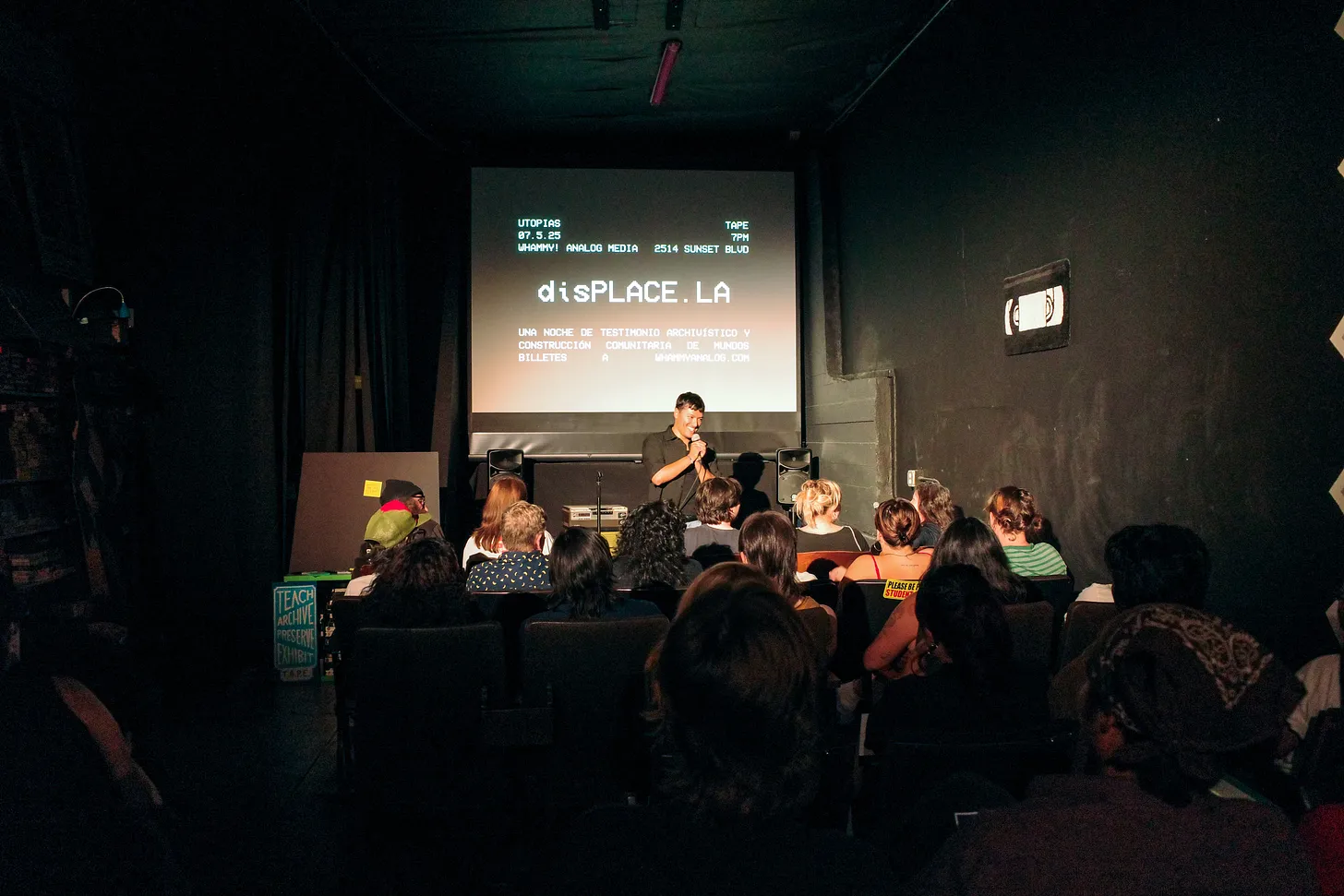
Collective Witnessing - Shared viewing of extended footage followed by facilitated community conversation
Connection to Present Struggles - LATU members shared recent organizing victories, connecting historical and contemporary displacement
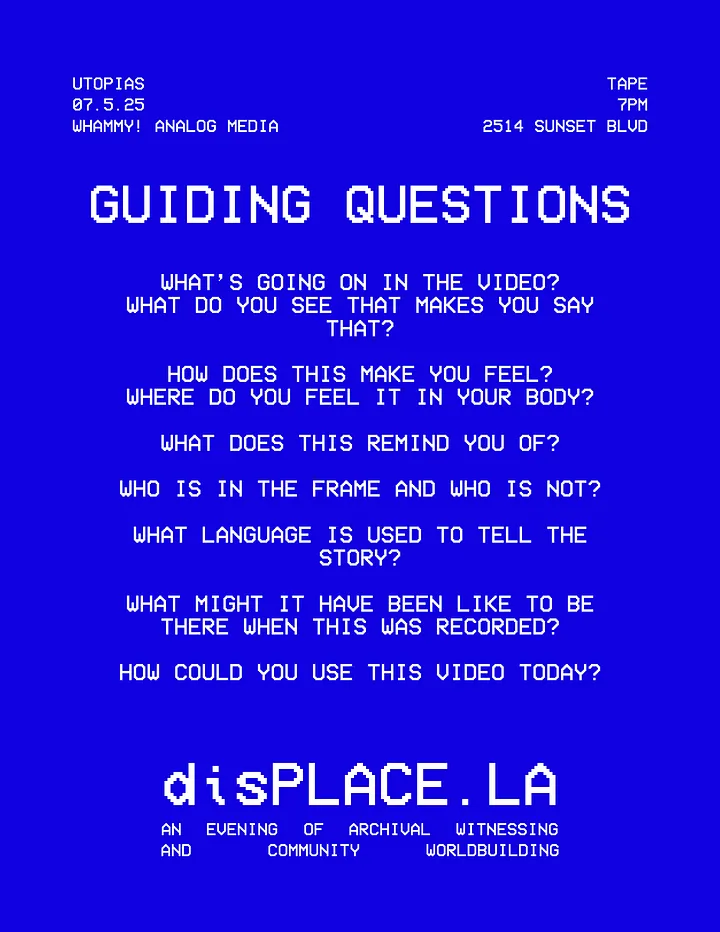
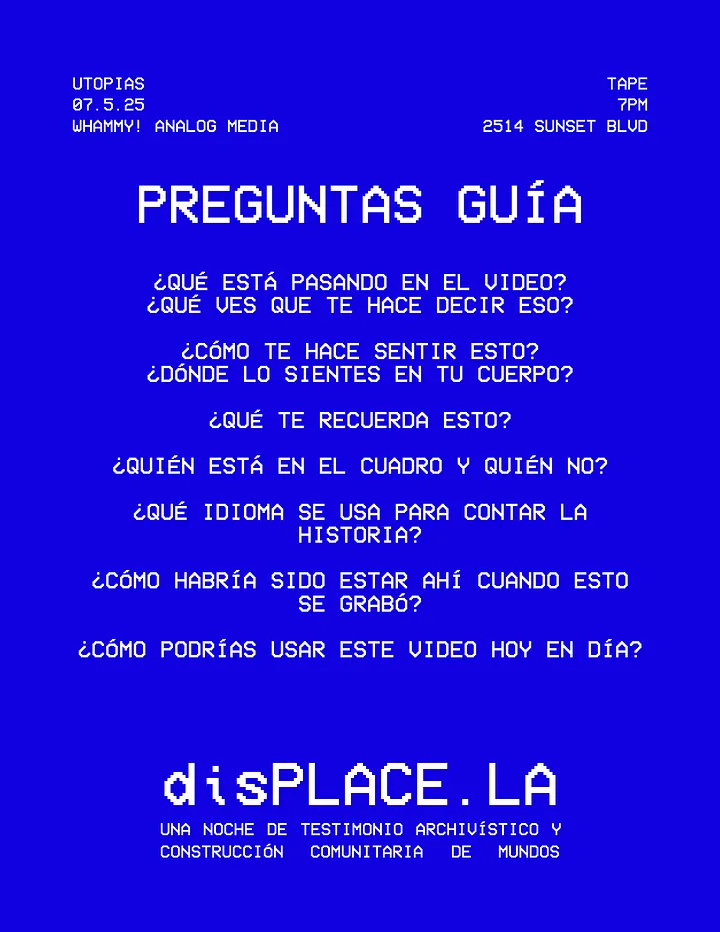
Guiding questions // Preguntas guía
Data
Quantitative:
75 community members attended (exceeding our capacity planning of 40-50)
Multiple generations present, from teenagers to elders
Mix of long-time LA residents and newer arrivals
Qualitative Observations:
Participants lingered at stations longer than anticipated, some watching multiple clips
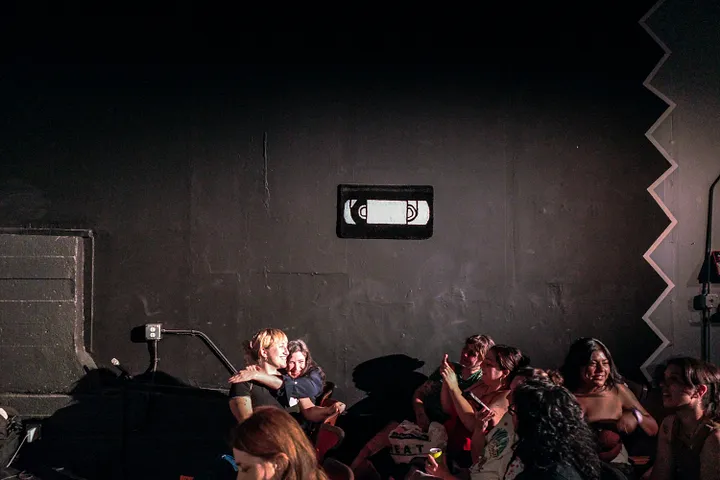
Spontaneous conversations emerged between strangers at viewing stations
During collective discussion, multiple people made personal connections: "That looks like my tío," "I recognize that intersection"
Strong emotional responses: laughter at news anchor footage, anger at journalistic framing, recognition and affinity with men on screen
Participants immediately connected historical media tactics to current criminalization of communities of color
Unexpected Elements:
The 13-minute archival piece included unintentionally comedic footage of news anchors practicing in a prison cell, which created moments of levity that opened space for deeper conversation
Several participants had direct geographic connections to filmed locations
LATU members' presence transformed the energy from historical reflection to immediate action
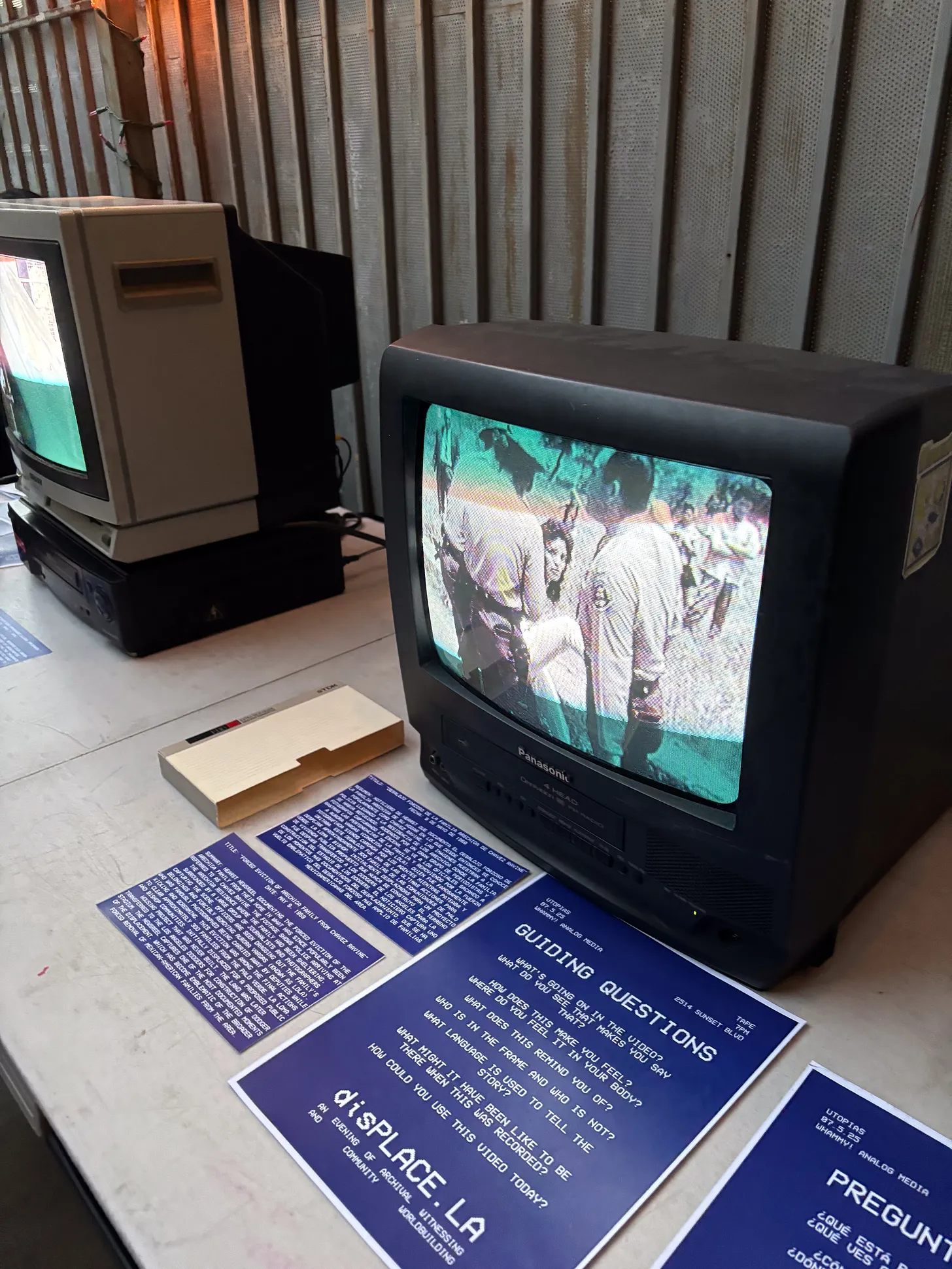
Guiding questions // Preguntas guía
Results
The evening demonstrated that archives become most powerful when communities are invited to actively engage with them rather than passively consume them. Seventy-five participants inhabited the clips, recognizing their loved ones, tracing the geography of their own lives, and immediately connecting 1970s media tactics to contemporary criminalization of communities of color. The combination of individual viewing stations and collective discussion created space for both personal processing and shared meaning-making, with embodied questions ("Where do you feel it in your body?") generating insights that purely visual analysis couldn't access. Participants revealed sophisticated media literacy that went beyond critique to imagination, articulating not just what was wrong with the representations but envisioning what different storytelling might accomplish.
Several unexpected discoveries emerged: unintentionally comedic footage of news anchors practicing in prison cells opened emotional space for engaging with more difficult content; many participants had direct geographic connections to filmed locations, creating immediate personal investment in historical events; and the presence of LATU members transformed the energy from historical reflection to immediate action, demonstrating how archival work can directly support contemporary organizing. One participant described the event as expanding "the notion of what an archive can be and who gets to participate in the archival process," suggesting that the evening itself had become a form of counter-archiving through collective witnessing and response.
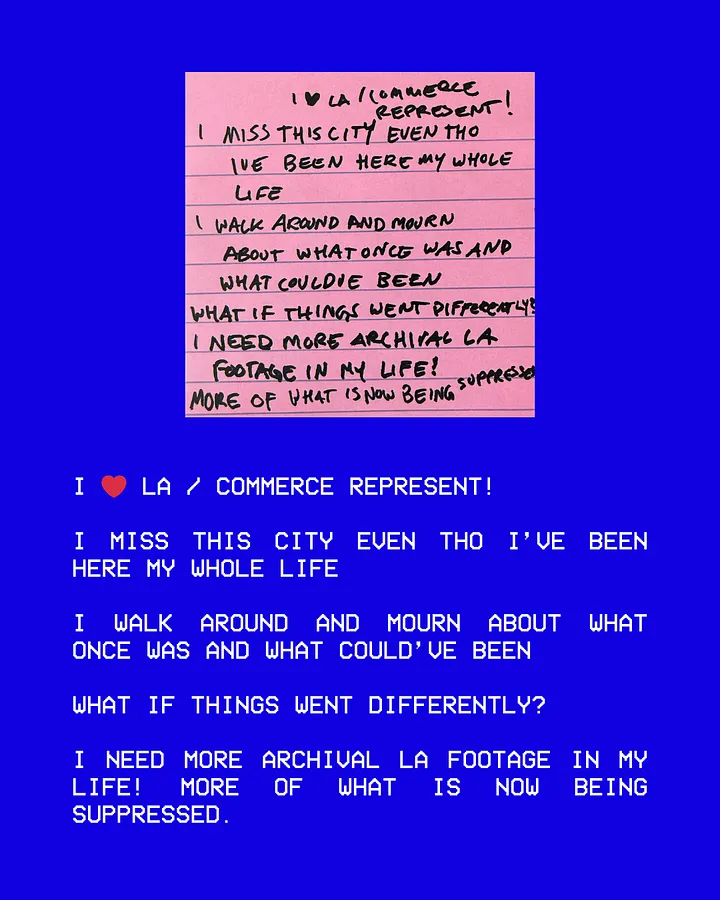
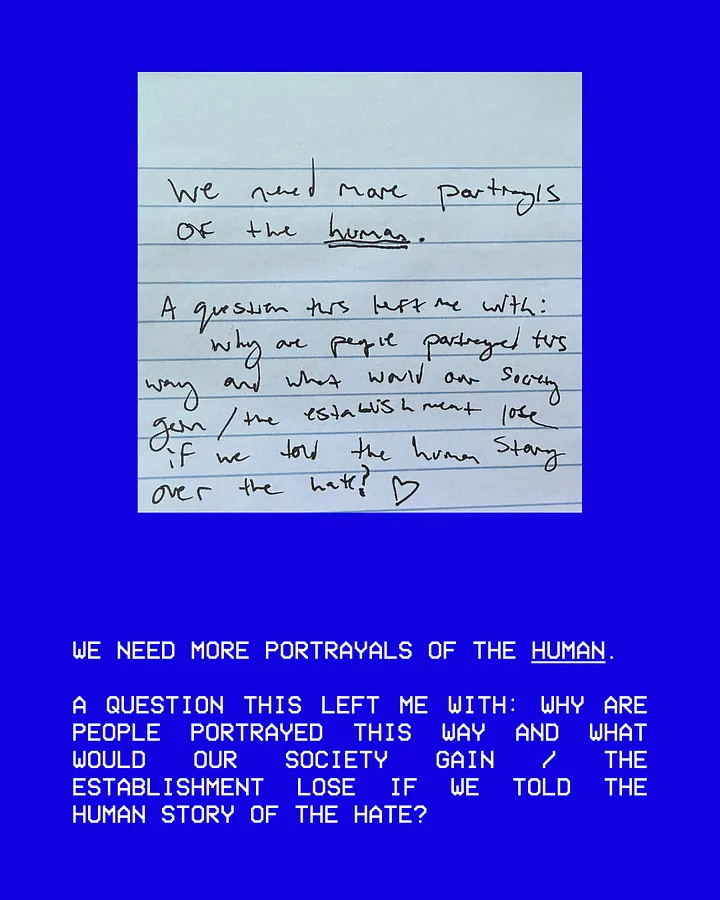
Event participant reflections
Challenges and Contradictions
Capacity: We planned for 40-50 people and 75 showed up. While this demonstrated hunger for this kind of gathering, it strained our intimate conversation model and meant some people couldn't engage as deeply as intended.
Gentrification tensions: Hosting an event about displacement in Silver Lake, a rapidly gentrifying neighborhood, created productive but uncomfortable tensions that we could have addressed more directly.
Documentation dilemma: How do you document collective counter-archiving without reproducing extractive research practices? We erred on the side of under-documentation, but missed opportunities to capture insights for broader sharing.
Language accessibility: Despite planning for Spanish translation, the event skewed English-dominant — with no self-identified monolingual Spanish speakers, potentially excluding voices most directly impacted by the displacement documented in the footage.
Conclusions
This experiment confirmed that the most meaningful archival work happens when communities are centered as knowledge creators rather than passive recipients of preserved history. The success of combining individual viewing, embodied reflection, and collective discussion suggests a model for transforming archives from sites of extraction into tools for contemporary resistance. By honoring both analytical and somatic responses, we created conditions where people could encounter difficult material while maintaining agency, generating insights that connected historical struggles directly to present-day organizing efforts.
The evening also revealed the power of treating memory work as community building — participants left with connections to each other and concrete ways to engage in current housing justice work through LATU. This demonstrates that archives become most politically generative when they serve as bridges between past and present struggles rather than objects of distant study. For the broader work of Utopias, this experiment exemplified our commitment to formats that prioritize connection over consumption, questions over answers, and collective knowledge over individual expertise, pointing toward a model for community-centered cultural work that could be adapted across different archives and organizing contexts.
Next Steps and Iterations
Remaining questions:
How might this format work with different types of archival material?
What would a series of these gatherings look like, building cumulative community knowledge?
How can we better integrate multiple languages and cultural approaches to collective witnessing?
Can this model be shared with other communities working with their own local archives?
How does collective archival witnessing connect to other forms of community protection and world-building?
What would it look like to create our own footage using these same collective witnessing practices?
Collaborators and Community
Deep gratitude to:
UCLA Film & Television Archive for access to KTLA collection materials
Los Angeles Tenants Union Echo Park local for grounding this work in current organizing
WHAMMY! for providing space that held both historical reflection and present-day organizing
The 75 community members who brought their bodies, stories, and questions to this experiment
T.A.P.E. Collective for the vision that brought this gathering into being (especially the incomparable tape fanatic, Jackie Forsyte)
This experiment continues through:
Ongoing relationships formed between participants
Resources and strategies shared for current displacement resistance
Questions and insights carried into other creative and organizing work
The fundamental understanding that archives are not storage but portals — and that communities have always been the ones with the keys.
This experiment emerged from the second phase of my yearlong art residency at UCLA Film and Television Archive in 2024, where I was invited as the inaugural artist into the archive to learn about their rich work preserving moving image histories. I found myself immersed in a world of librarians, archivists, and preservation experts who have devoted their lives to preserving history. There was something deeply striking about encountering recorded histories of Los Angeles life on physical film — a format I have grown increasingly distant from in a totally digital world.
I was drawn most to the KTLA Newsfilm Collection featuring unaired footage from LA news coverage in the 70s-90s. In this footage, I was struck by the inclusion of different types of stories in the narrative fabric of Los Angeles. I was drawn to the way communities of color, working class communities, immigrants, and queer people were depicted on screen, the encounters they had with reporters, the way they were silenced, or not included at all. I used this material to create an interactive video installation that invites visitors into the guts of the television to see what is happening deep under the surface of the screen. I used noise systems, computer vision, and algorithmic processing to convert the archival images into a searchable database of vector embeddings—an ambivalent numeration that I suspected might unearth unseen connections across the nodes of the archive, uniting stories by the gesture of a subject, the tone of their voice, the words they use.
While learning about the history of my new home, I often felt alone in the solitary work of an archivist or artist. Since the inception of this residency, I have dreamt of ways to bring this archive into the communities that are preserved or erased from history. Furthermore, I wanted to find a way to marry this memory work with other forms of community building I participate in through the Los Angeles Tenants Union. My role as both artist and member in LATU has shown me how broader topics of displacement that have haunted LA communities have evolved over the decades between the archive and today. However, many of the same fights are still being fought: gentrification, real estate development, policing, immigration crackdowns, labor violations.
This event is the first in a new series rooted in communities across LA coming together to dream up how encountering the past through archives could become a portal to imagine new futures together. I was particularly struck by how segregated so much of the archive and the city is through geographies — stories of Black, Indigenous, and Latino LA were often divided by geography or identity despite depicting many of the same issues of communities working to survive in the face of systemic disinvestment. I hope to take this work on a tour across LA, connecting with local communities on the ground that are connected to the afterlives of the archive to create meaningful, site-specific conversations about how the past is preserved, what is preserved in an archive, what cannot be preserved—and how evoking these memories, feelings, and counter-histories could contribute to a counter broadcast, counter narrative, counter archive.
Research and Problem
How do we transform archives from sites of extraction into portals for community connection and resistance? During my residency, I witnessed the profound care that archivists bring to preserving histories, but I also experienced the isolation of engaging with community stories alone in a vault. This experiment sought to address the gap between archival preservation and community access — particularly when the archived communities are still fighting many of the same battles depicted in decades-old footage.
Hypothesis
Creating conditions for collective witnessing — combining individual viewing stations, embodied reflection prompts, and community discussion — would allow people to find themselves in archives that were never made for them, generating new forms of knowledge that connect historical struggles to present-day organizing. By centering both analytical and somatic responses, communities could reclaim these materials as tools for contemporary resistance rather than objects of distant study.
Experiment Design
Setting: WHAMMY! Analog Media in Silver Lake, a venue that embodies the tensions of the neighborhood—a creative space in an area experiencing rapid gentrification.
Materials:
6-7 CRT viewing stations with archival KTLA newsreels from 1970s Los Angeles
Guided reflection prompts based on expanded Visual-Thinking Strategies
One 13-minute collective viewing: footage from efforts in East LA addressing crime among young Latino men
Fundraising component for LA Tenants Union Echo Park local
disPLACE.LA Event Itinerary (English and Español)
Process:
Individual/Small Group Viewing Phase - Participants moved freely between CRT stations, guided by questions that invited both analytical and embodied responses
Collective Witnessing - Shared viewing of extended footage followed by facilitated community conversation
Connection to Present Struggles - LATU members shared recent organizing victories, connecting historical and contemporary displacement
Guiding questions // Preguntas guía
Data
Quantitative:
75 community members attended (exceeding our capacity planning of 40-50)
Multiple generations present, from teenagers to elders
Mix of long-time LA residents and newer arrivals
Qualitative Observations:
Participants lingered at stations longer than anticipated, some watching multiple clips
Spontaneous conversations emerged between strangers at viewing stations
During collective discussion, multiple people made personal connections: "That looks like my tío," "I recognize that intersection"
Strong emotional responses: laughter at news anchor footage, anger at journalistic framing, recognition and affinity with men on screen
Participants immediately connected historical media tactics to current criminalization of communities of color
Unexpected Elements:
The 13-minute archival piece included unintentionally comedic footage of news anchors practicing in a prison cell, which created moments of levity that opened space for deeper conversation
Several participants had direct geographic connections to filmed locations
LATU members' presence transformed the energy from historical reflection to immediate action
Guiding questions // Preguntas guía
Results
The evening demonstrated that archives become most powerful when communities are invited to actively engage with them rather than passively consume them. Seventy-five participants inhabited the clips, recognizing their loved ones, tracing the geography of their own lives, and immediately connecting 1970s media tactics to contemporary criminalization of communities of color. The combination of individual viewing stations and collective discussion created space for both personal processing and shared meaning-making, with embodied questions ("Where do you feel it in your body?") generating insights that purely visual analysis couldn't access. Participants revealed sophisticated media literacy that went beyond critique to imagination, articulating not just what was wrong with the representations but envisioning what different storytelling might accomplish.
Several unexpected discoveries emerged: unintentionally comedic footage of news anchors practicing in prison cells opened emotional space for engaging with more difficult content; many participants had direct geographic connections to filmed locations, creating immediate personal investment in historical events; and the presence of LATU members transformed the energy from historical reflection to immediate action, demonstrating how archival work can directly support contemporary organizing. One participant described the event as expanding "the notion of what an archive can be and who gets to participate in the archival process," suggesting that the evening itself had become a form of counter-archiving through collective witnessing and response.
Event participant reflections
Challenges and Contradictions
Capacity: We planned for 40-50 people and 75 showed up. While this demonstrated hunger for this kind of gathering, it strained our intimate conversation model and meant some people couldn't engage as deeply as intended.
Gentrification tensions: Hosting an event about displacement in Silver Lake, a rapidly gentrifying neighborhood, created productive but uncomfortable tensions that we could have addressed more directly.
Documentation dilemma: How do you document collective counter-archiving without reproducing extractive research practices? We erred on the side of under-documentation, but missed opportunities to capture insights for broader sharing.
Language accessibility: Despite planning for Spanish translation, the event skewed English-dominant — with no self-identified monolingual Spanish speakers, potentially excluding voices most directly impacted by the displacement documented in the footage.
Conclusions
This experiment confirmed that the most meaningful archival work happens when communities are centered as knowledge creators rather than passive recipients of preserved history. The success of combining individual viewing, embodied reflection, and collective discussion suggests a model for transforming archives from sites of extraction into tools for contemporary resistance. By honoring both analytical and somatic responses, we created conditions where people could encounter difficult material while maintaining agency, generating insights that connected historical struggles directly to present-day organizing efforts.
The evening also revealed the power of treating memory work as community building — participants left with connections to each other and concrete ways to engage in current housing justice work through LATU. This demonstrates that archives become most politically generative when they serve as bridges between past and present struggles rather than objects of distant study. For the broader work of Utopias, this experiment exemplified our commitment to formats that prioritize connection over consumption, questions over answers, and collective knowledge over individual expertise, pointing toward a model for community-centered cultural work that could be adapted across different archives and organizing contexts.
Next Steps and Iterations
Remaining questions:
How might this format work with different types of archival material?
What would a series of these gatherings look like, building cumulative community knowledge?
How can we better integrate multiple languages and cultural approaches to collective witnessing?
Can this model be shared with other communities working with their own local archives?
How does collective archival witnessing connect to other forms of community protection and world-building?
What would it look like to create our own footage using these same collective witnessing practices?
Collaborators and Community
Deep gratitude to:
UCLA Film & Television Archive for access to KTLA collection materials
Los Angeles Tenants Union Echo Park local for grounding this work in current organizing
WHAMMY! for providing space that held both historical reflection and present-day organizing
The 75 community members who brought their bodies, stories, and questions to this experiment
T.A.P.E. Collective for the vision that brought this gathering into being (especially the incomparable tape fanatic, Jackie Forsyte)
This experiment continues through:
Ongoing relationships formed between participants
Resources and strategies shared for current displacement resistance
Questions and insights carried into other creative and organizing work
The fundamental understanding that archives are not storage but portals — and that communities have always been the ones with the keys.
Play with me on Are.na
Let's talk – estebangarellano at gmail dot com
Play with me on Are.na
Let's talk – estebangarellano at gmail dot com
Play with me on Are.na
Let's talk – estebangarellano@gmail.com